


Low back pain is a frequent companion of country life.I work in the garden and vegetable garden, small daily repairs at home - and now it becomes difficult for you to straighten up and rest becomes torture.Low back pain is a frequent companion of country life.In fact, the vast majority of back pain at the dacha is associated with problems with the musculoskeletal system.But it is necessary to remember that there are other diseases whose symptom can be low back pain.This is important because treatment varies and its absence can lead to disastrous consequences.

Let's look at why your lower back may hurt at the dacha.Most of the time, lower back pain indicates that you have:
- osteochondrosis and neuralgia;
- kidney disease;
- pancreatitis in the acute phase.
Let's look at each of the possible reasons in more detail.Lower back pain can occur with various kidney diseases:
- glomerulonephritis – non-infectious kidney damage;
- pyelonephritis - purulent inflammation in the renal pelvis;
- formation and movement of stones in the kidneys and ureters.
Often, kidney disease is promoted by hypothermia, cold, or diet;It's easy to confuse a low back injury with kidney problems.However, there are symptoms characteristic of this type of disease:
- pain is not associated with movements and physical activity;
- body temperature often rises to more than 37.5 degrees;
- Lightly hitting the tip of the palm on the kidney area causes intense pain;
- there are problems with urination - frequent or very rare, painful;
- urine becomes cloudy and changes color.
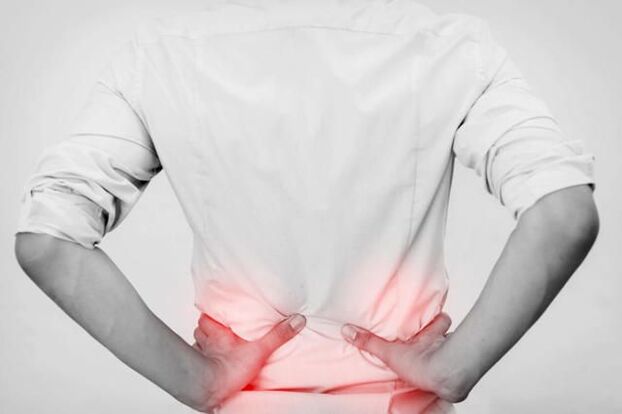
When a person's kidneys hurt,First of all, you need to call a doctor.This organ performs a function in the body that is too important to be risked.While the doctor is on the way to your dacha, try to alleviate the patient's condition.
What you can do:
- lay the patient down or help him get into a comfortable position;
- if there is a fever, give antipyretic;
- give the patient an antispasmodic;
- monitor pressure and temperature;
- provide assistance if necessary if the person needs to turn around.
It is often written that hot compresses or hot baths help in the treatment of kidney disease.To remember!It is absolutely prohibited to carry out heating procedures!If the pain is caused by pyelonephritis, heating will only make the situation worse, as the inflammation caused by heat intensifies.
All other events can be assignedsingle doctorafter professional inspection.
A characteristic symptom of pancreatitis is pain in the waist that starts under the ribs on the left.It then spreads to the stomach and back, forming a ring.Pain in the navel area may also indicate pancreatitis.In atypical forms of the disease, back pain just above the lower back is not uncommon - it is often mistaken for anything other than a symptom of pancreatitis.

Back pain in acute pancreatitis is very serious.First aid for pancreatitis includes:
- hunger (sick before the examabsolutely impossibleand);
- comfortable position (help the person find it), tranquility and comfort;
- drink moderately (you can gradually give plain water);
- monitor the condition (do not leave the patient alone).
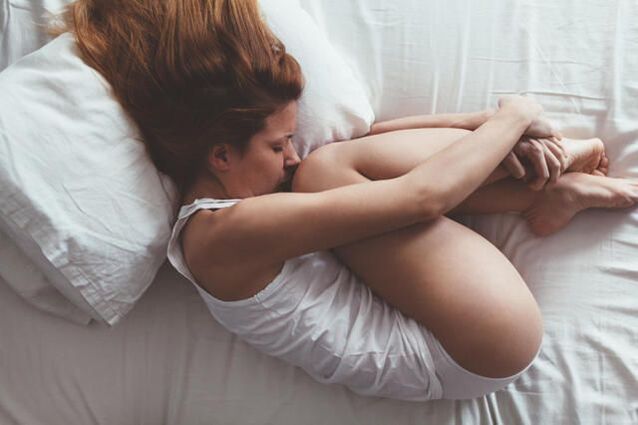
There are body positions that help reduce pain: the knee-elbow position and the fetal position. This position helps reduce pain
Osteochondrosis is a disease of the articular cartilage that connects the vertebrae.Due to its pathology, pinching of the roots of the spinal cord occurs, which is the cause of pain.Anyone over 30 is at risk of osteochondrosis, and recently this diagnosis is often found in adolescents and very young people.
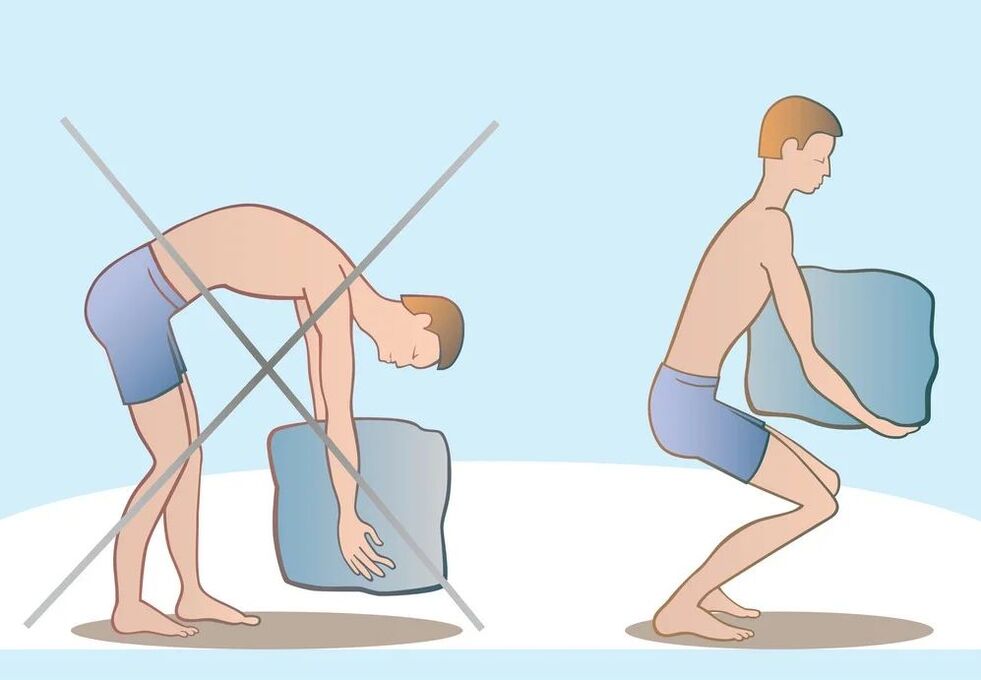
The main cause of an attack of back pain is heavy lifting, prolonged work in an uncomfortable position (e.g. weeding or gardening).The development of osteochondrosis is also provoked by long car trips, when a person is constantly sitting.This type of low back pain can affect almost anyone.You can recognize osteochondrosis by the following symptoms:
- the lower back hurts, the pain radiates to the leg;
- the pain becomes stronger with movement, change of position, load;
- may be bothered by burning or stabbing pains – “lumbago”;
- after a long stay in the same position, it is difficult and painful to change;
- the sensitivity of the legs and buttocks decreases, a feeling of “goosebumps” appears;
- the feet are cold, sweating is impaired.
There is no temperature in osteochondrosis. Pain due to osteochondrosis can occur at any time

If youcompletely rightthat the problem is in the spine, the following measures will help a person:
- woolen belt or woolen scarf on the lower back;
- lie down on a hard surface: board, table, hard mattress;
- taking non-steroidal anti-inflammatory drugs - ibuprofen, diclofenac, meloxicam;
- local anti-inflammatory ointments.
Important to remember:Painkillers should not be taken on an empty stomach.They irritate the mucous membrane and can cause gastritis or ulcers.If you are unsure of the diagnosis, consult a doctor - taking anti-inflammatories for stomach or pancreas problems may make the situation worse.
Don't try to “straighten” your back on your own - this can increase pain and even harm your back.In case of exacerbation of osteochondrosis, warming procedures are not recommended.Under no circumstances should you take a hot bath or steam in the sauna.After warming up, a person will feel temporary relief, then the pain will intensify significantly.If this pain bothers you frequently, you should have an MRI (image of the lumbar spine) and consult a neurologist.
Important!If after taking anti-inflammatories you feel relief or complete disappearance of pain, you should not resume physical activity.For the patientI need peace- even bed rest - for a while.
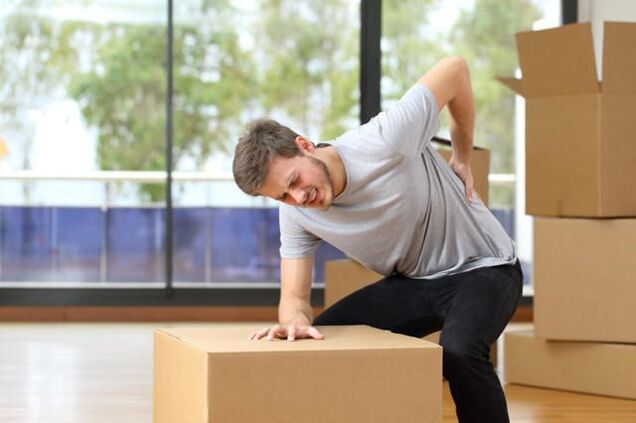
Physical activity is contraindicated for back pain.Neuralgia is an inflammation of the nerve.Symptoms of neuralgic lower back pain are similar to signs of osteochondrosis: the back reacts to movements, the patient is afraid to move.But there are also specific points:
- pain spreads along the inflamed nerve;
- the nature of the pain is “spasmodic”, it can decrease and appear suddenly even at rest;
- skin color and sweating may change, muscle tremors occur;
- If you press on your back, pain will occur on both sides of the spine.
It is difficult to cure neuralgic pain, but it is necessary to try to alleviate it.Help the patient:
- analgesics, anti-inflammatories - diclofenac, ibuprofen, gerarn, meloxicam;
- medicines that relieve spasms - no-shpa, spasmalgon;
- complete peace.
For severe neuralgic pain, it is best to hospitalize the patient.Hospital doctors use novocaine blockades for neuralgia.
To remember!By using medications without medical guidance and examination, you may be putting your health at risk.
Causes of low back pain in women and men

Every day we make thousands of movements, using all our joints, muscles and ligaments.And every day we test them “in terms of endurance” by subjecting them to heavy loads.But the joints are not as strong as they seem at first glance.They are exposed to numerous injuries and destructive processes.Pain is often an unbearable test for a person.Pain in the lower back appears when degenerative changes occur in various parts of the spine: joints, discs, muscles.In addition, it can be a kind of signal about diseases of internal organs, the presence of infection in the body.
Aching pain in the lower back
In the morning, the presence of back pain indicates a violation of the blood supply to the spinal cord, with various injuries, tumors and scoliosis.A number of diseases characterized by pain syndromes in the lower back:
- Osteochondrosis.
- Spondyloarthrosis.
- Infections in the body.
- Ankylosing spondylitis.
- Lumbar radiculitis.
Let's look at each section in more detail.
Osteochondrosis
A disease that affects 80% of elderly people.The reasons lie in the natural wear and tear of all segments of the spine.It is accompanied by severe sharp pains that hamper a person's motor activity.
Reasons
Today, there are many reasons for pain in the lower back, as the spine bears most of the load every day.
Basic:
- Spine injuries.
- Pathologies of skeletal development (scoliosis).
- Increased physical activity.
- Bad habits, unhealthy diet.
- Stress, depression.
- Lack of physical activity.
- Infectious diseases.
- Age-related changes in the human body.
Symptoms
They appear gradually and are sometimes barely noticeable in the early stages.One of the first signs is discomfort when trying to straighten your back, as well as rapid fatigue when walking, even if the physical activity is insignificant.In the first stage, a dull pain in the lower back appears only after increased physical activity or during hypothermia.
In subsequent phases, symptoms become more pronounced, with stiffness of movement, weakness and pain of a more intense nature;it is no longer an aching pain, but a strong, sharp pain in the lower back, which affects the slightest movement of the body.This is due to compression of the nerve roots of the spinal cord, which occurs when the intervertebral spaces of the spinal segments decrease.
Attention!Lumbar osteochondrosis can cause partial paralysis.
In addition, problems with the genitourinary system can also be one of the symptoms of osteochondrosis of the lumbar spine, when deformed vertebrae damage a person's internal organs, disrupting urination, which leads to discomfort.In men, this can lead to a decrease in potency, and in women, to inflammation of the ovaries, uterus and appendages.
Spondyloarthrosis
It is a type of osteoarthritis, characterized by degenerative changes in the intervertebral joints.It affects all parts of the spine.Elderly people over 65 are most often susceptible to this disease.
The first stage is a decrease in the elasticity of the cartilage in the intervertebral joints.In the future, this leads to deformation of the joint capsules and periarticular bone tissue.The final stage is the formation of bony growths along the edge of the joint - osteophytes.

Symptoms
The pain syndrome is localized in the lower part of the body (buttocks region, lower extremities).There is muscle weakness and pronounced deformity of the spine.
Infections in the body
In the morning, pain syndromes are natural in patients with infectious diseases.
- Renal pathology.Pain in the lower back on the left is characteristic of diseased kidneys.Severe throbbing pain is observed in people suffering from urolithiasis.General weakness, fever and dull pain in pyelonephritis.In kidney disease, the pain is present in the morning and does not subside at night, and sometimes even intensifies during sleep.
- Oncological diseases.
- Pancreas pathologies.Pain in the lower back on the left, enveloping in nature.It manifests itself with poor nutrition (alcohol abuse, fatty foods).The attack is also accompanied by bloating and vomiting.
- Female diseases.Characterized by constant and moderate pain in the back and sides in the appendix area.
- Scoliosis.It leads to moderate and constant back pain.
- Lumbago.An acute attack of low back pain in the lower back is characterized by throbbing pain, due to compression of the lumbar nerve.

Important!Constant pain in the lower back, even after a minor spinal injury (fall, blow), can lead to serious consequences that only appear over time (also read about the causes of lower back pain in men).
Ankylosing spondylitis
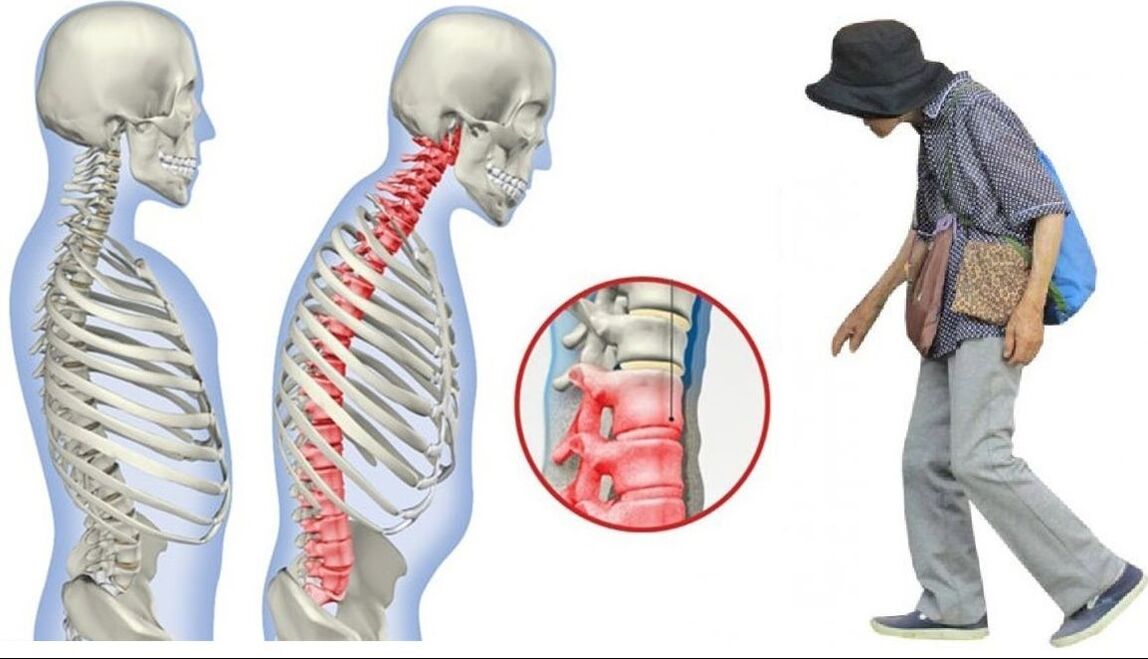
This is a chronic disease in which the inflammatory process affects the joints and spine.This disease is also called “ankylosis” (fusion).In the last stage of the disease, the spine is practically limited in movement due to the bone corset next to it.According to statistics, the disease accounts for 0.5-2% of the incidence of people on Earth, and women get sick less often than men.
The causes of the disease are still unknown;the disease is classified as idiopathic.Experts have found that if the HLA-B27 gene is present in the body, the risk of developing Bechterew's disease is high, but it does not exclude the possibility of having the disease without having it in the body.An important role in the occurrence of the disease is played by:
- Inflammatory diseases of the genitourinary system.
- Dysfunction of the endocrine glands.
- Injuries to the pelvic bones.
- Hypothermia.
- Inflammatory diseases of the abdominal organs (microorganisms streptococci).
Symptom specifics
First of all, it concerns stiffness in the sacral region.Sometimes the pain radiates to the legs.It is more pronounced in the second half of the night (4-6am).At a young age, the pain is localized in the heels.
And the peculiarity of the pain is that it intensifies after the cessation of movement, becoming more intense and prolonged.Upon waking up, the person feels stiffness and pain in the joints of the arms and legs, which disappear over time.
Furthermore, ankylosing spondylitis is characterized by damage to the membranes of the eyes, accompanied by pain, tearing and loss of vision.
Symptoms in men are much more complex and intense than in women.
- Discomfort, pain, pain in the lower back when walking;because of the pain, the person is forced to take an unnatural posture.This leads to men's bias.
- Loss of flexibility due to compression and fusion of the vertebrae.
- The functioning of internal organs is disturbed, for example, the functioning of the gastrointestinal tract is disturbed.
Women have milder symptoms of the disease.Which leads to a more problematic diagnosis.The pain is very weak, aching, localized in the lower back.
Lumbar sciatica
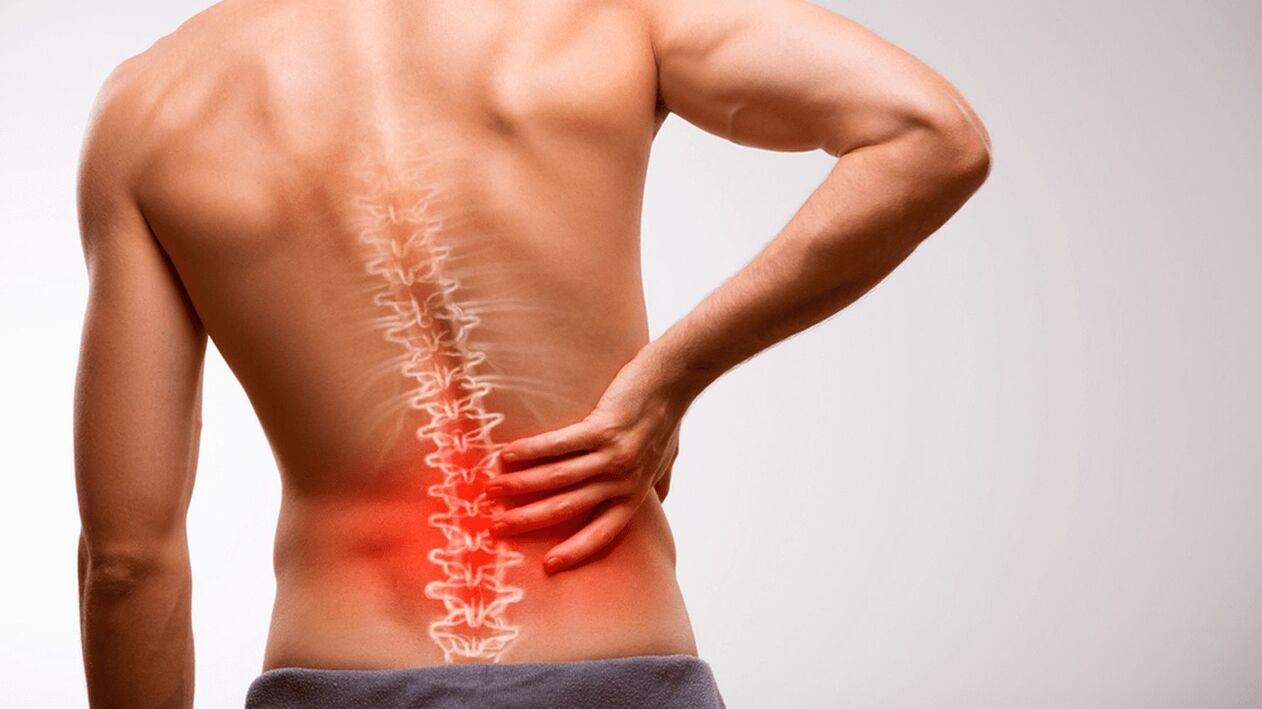
A disease that affects the spinal nervous system.Inflammation and compression of spinal nerve roots occurs.Radiculitis affects almost 10% of the world's population.Mainly this is the category from 35 to 50 years old.But there are cases of the disease at earlier ages.
Reasons
There are many causes of diseases, the most common are:
- Disturbance of metabolic processes in the tissues of the spine.
- Degenerative changes in the spine.
- Infectious diseases.
- Spine injuries.
- Inadequate functioning of spinal muscle tissue (muscle contraction - spasms).
- Excessive spinal fatigue.
Symptoms of the disease
It includes several symptoms at the same time, due to the fact that it is a pathological process:
- The pain is localized in the lower back.By nature, it can be burning, painful and quite intense, radiating to the pelvic organs and legs.The pain intensifies even with small efforts.
- General weakness of the body;it is difficult for a person to get out of bed, not to mention fully move.
- Muscle spasm in the area of the affected ends of the spine.
- Poor posture and gait, the patient assumes a forced and unnatural position, which leads to lameness.
- Discomfort in the pelvic region.
- Pain during bowel movements and urination.
- Changes in skin sensitivity (numbness, goosebumps).
- Pain on palpation of the lumbosacral region of the back.
Radiculitis occurs mainly in a chronic stage, but with periodic exacerbations.
What is the body trying to say through lower back pain?
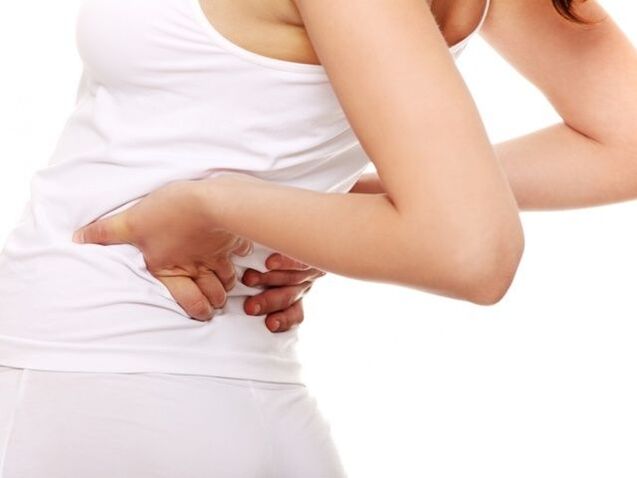
Aching pain in the lower back is not uncommon.They may indicate uncomfortable posture and irregularities in posture, or be a sign of a serious illness.Therefore, you should not ignore this signal, hoping for “maybe”.
What diseases can cause such sensations?
Lower back pain is often a symptom of a chronic process in the body.However, it can also occur suddenly.In these cases, it is accompanied by fever.The causes of these pains are different, but the most common are undoubtedly the following.
- Osteochondrosis, which is manifested by degenerative processes in the region of the intervertebral discs.
- Radiculitis, which is a consequence of osteochondrosis and in which there is damage to the nerve roots of the back.
- Intervertebral hernia is the most common cause of pain in the lower back, but it tends to evolve into more intense sensations.
- Menstruation is also the reason why dull, dull pain appears.It is often provoked by increased physical activity and is also characterized by the fact that the pain is also localized in the lower abdomen.
- Diseases of the kidneys, as well as other organs of the genitourinary system.These sensations differ from the pain caused by spinal diseases.Thus, kidney pain tends to be more intense on the side of the kidney with pathology (right, left).
- Muscle spasm due to compression of nerve endings and blood vessels is also the cause of this pain.
- Injuries - for them this type of pain is typical during the healing and recovery period.

Despite the fact that all the reasons are serious, the most dangerous diseases that cause such sensations are osteochondrosis and radiculitis.These diseases, which cause pain in the back and lower back, essentially do not respond to treatment and only progress over time.
Lower back pain due to osteochondrosis, hernias and radiculitis
It should be noted that even in the absence of serious illnesses, lower back pain is a common occurrence.There are several reasons for this: remaining in a monotonous position for a long time (sitting or standing), poor posture, irrational organization of the work space, lack or excess of physical activity.
However, in a situation where a person suffers from osteochondrosis, the pain in the back and lower back is quite intense, although it is uncomfortable and painful in nature.Another sign of osteochondrosis is the loss of sensitivity in the skin on the legs (in the toe area and part of the foot).
Osteochondrosis is often accompanied by pinched nerve roots - this is radiculitis.The compressed end becomes inflamed and this causes frequent back pain and painful sensations in the lower back.Back pain is caused by sudden bending or strong straining during work, but it can also occur for no reason.
A less common cause of dull, dull back pain is an intervertebral hernia.
Its treatment is surgical intervention, which is difficult to do without, as in case of rupture of the fibrous ring the consequences are sad.Most often, it is paralysis of the legs, arms or all limbs.
Other signs of a hernia, in addition to discomfort in the back and lower back, are numbness in the skin and loss of sensation in the legs.
Complication of low back pain syndrome with other symptoms
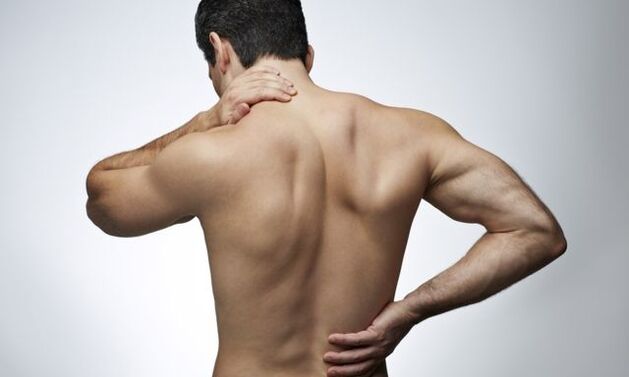
Thus, low back pain radiating to the left side of the back may indicate diseases such as:
- diseases of the musculoskeletal system;
- pain on the left side may indicate heart disease;
- diseases of the abdominal organs;
- on the left, kidney pain is projected, where the pathological process is observed;
- with damage to the pleura and lungs;
- myositis and pregnancy in women can also manifest on the left.
If we talk about pain that, in addition to the lower back, affects the lower abdomen, we can talk about acute and chronic diseases.
With the first, the sensations are always more intense and sharp, but the constant dull and aching pains in the lower back and lower abdomen speak, rather, of a chronic process.
But only a doctor can make a more accurate diagnosis and prescribe appropriate treatment.
Unpleasant sensations in the lower back and lower abdomen are often signs of:
- colitis;
- appendicitis;
- osteochondrosis;
- inguinal hernia;
- urolithiasis;
- tumors;
- diseases of the reproductive system in both women and men;
- Pain in the lower abdomen and lower back accompany intestinal infections, as well as infections of the genitourinary system.
It should be noted that colitis and appendicitis are often accompanied by fever.But high temperature with pain in the lower back can also be observed against the background of diseases such as flu, cystitis, pyelonephritis, as well as muscle injuries.This symptom serves as a signal to seek medical help.
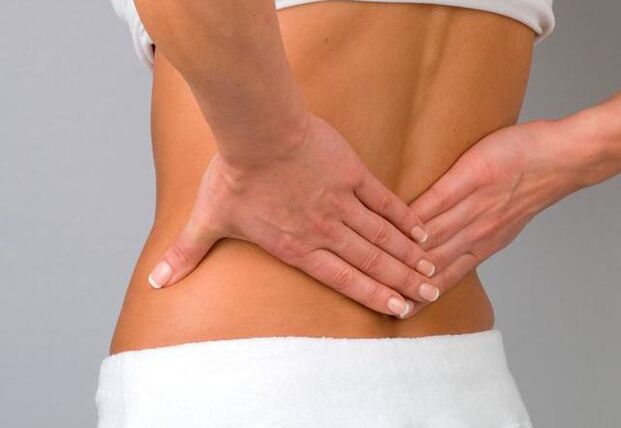
Pain syndrome with projection to the right can indicate both an uncomfortable position and an inadequate posture, as well as more serious diseases.
Increased discomfort in the lower back on the right may again indicate kidney disease, displacement of intervertebral discs and diseases of the genital organs.
Additionally, some discomfort on the right may indicate problems with the gastrointestinal tract.Another cause of right side pain may be obesity.
If low back pain radiates to one or both legs, it is likely that we are talking about lumbosciatica, sciatica or radicular syndrome.
These diseases are chronic, which means they have periods of remission and exacerbation.Recurrences of low back pain, which radiates to the legs, cause hypothermia and stress.
Treatment consists of taking painkillers and reducing the load on the legs and lower back.
Medical therapy
Only after the doctor establishes the diagnosis can treatment be prescribed.It often consists of the following steps.
- Injections and anesthetic medications.
- Acupuncture treatment.
- Physiotherapy.
- Gentle LHA.
- Booking swimming lessons.
- Osteopathy (treatment that involves straightening the bones in the right direction).
- Manual or hardware massage.
- Treatment using kinesiology.
It should be noted that even in the absence of serious illnesses, lower back pain is a common occurrence.There are several reasons for this: remaining in a monotonous position for a long time (sitting or standing), poor posture, irrational organization of the work space, lack or excess of physical activity.
However, in a situation where a person knows their diagnosis, it is much easier for them to prevent a relapse by taking good care of themselves.In all other cases, you should not postpone a doctor's appointment, as the consequences of delay can be sad.
It's important to keep this in mind when communicating with your doctor.In Russian medical practice, incompetent doctors, at the first sight of a patient with a hernia, recommend surgical treatment.This is fundamentally wrong.
This recommendation is associated with the desire to “get rid of” the patient and indicates the low qualifications of the doctor.
When the lower back hurts a lot and the cause is determined, the answer to the question “what to do?”clear - treat.The duration of treatment depends on the pathology.Osteochondrosis and hernias are treated for a long time, from 3 months to a year or even longer.The duration of treatment for other diseases is shorter.
It is impossible to independently determine the source of the problem, much less eliminate it.You need to see a doctor.
Fortunately, the treatment of most diseases has already been developed, therefore, with enough responsibility and perseverance on the part of the patient, the problem can soon be forgotten.